



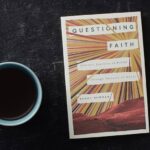
Fasting, part of the Disciplines of Devotion series by the Gospel Coalition US, was a delight to read. The series’ aim is to grow women in their devotion to the Lord in the context of a busy and distracting world. The author, Cassie Achermann, helps readers to see how giving up food for prayer can recalibrate us to draw near to God, seek Christ, and find satisfaction in him.
This is a lovely and short book designed to be read either in one sitting or in very short reflective sittings. The chapters include: (1) What is Fasting? (2) What are the Blessings of Fasting? (3) Fast with Humility, (4) Fast with a Plan, and (5) Fast with God’s People.
Achermann and the series editors assume that fasting is a spiritual discipline and additionally assume that the category of ‘spiritual discipline’ is legitimate. There is no critical engagement with either the notion of spiritual discipline or fasting as spiritual discipline. The argument is simply that fasting provides more time for prayer.
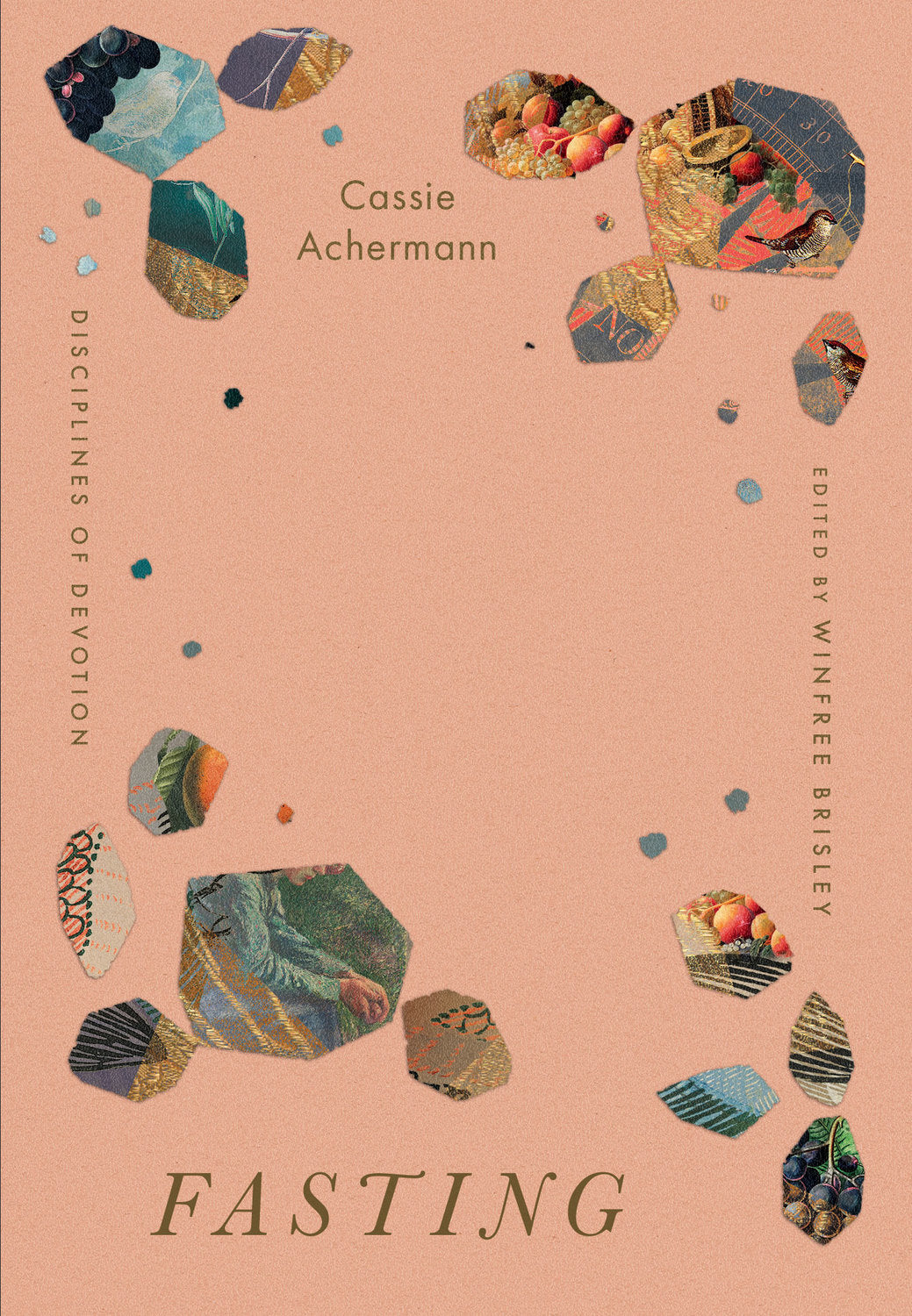
Fasting
Cassie Achermann
Cassie Achermann invites women to stir their affections for God by fasting. She considers what biblical fasting is; ways to fast prayerfully, both alone and in community; and how fasting increases our dependence on God.
Fasting in the Bible
I had several questions about fasting when I started this book. One was whether the people of God should fast now. In Matthew 9:14-15 Jesus teaches that there is a time when his disciples should not fast—while he was present with them. The time will come when he would be taken away and that is the time to fast again. Different understandings of this verse leads some Christians to fast and others not to. Some think that the time when Jesus is away is now, while we wait for his return. Others think that the time Jesus is taken away was when he had died, but we have no need to fast now because of his promise to be with us always to the very end of the age. Achermann believes that fasting remains a suitable spiritual discipline for us today because Jesus was referring to the time when we are separated from our Lord and longing for Him to return. She shows how the first century church fasted in Acts 13:1-3 and 14:23. This book convinced me that we should follow in the footsteps of the early Christians.
Fasting that Hinders
Another hang-up I had about fasting was the way fasting is used by many Christians I interact with. I’ve seen people go on a de-facto hunger-strike until God blessed them: “I won’t eat, until you bless me with what I’m asking for.” This mindset is addressed throughout this book. Achermann shows how fasting is not about going without food for as long as you can. Instead, fasting is “going without food… for a limited time… to aid prayer…” (pp. 4-5). When we fast, it is not a matter of entitlement. The effectiveness is not bound up in whether God answers the way we would like. Fasting does not guarantee an outcome, nor is it about whether God says “Yes” or “No” to my requests made on an empty stomach! Rather, fasting is about who we are saying “Yes” to: God. It’s about our heart seeking God, not to earn his approval or secure our salvation, but to express our deep dependence upon him. Thus, our devotion to and dependence upon God is grown by this practice.
Fasting Hurts
My other hang-up about fasting, and probably the main reason why I never did, was because it is uncomfortable. Going without food is a struggle! Most of the time we try to make our spiritual disciplines as easy to do as possible so that we are regular and consistent. There is no real way to make fasting easy — it deprives us of the immediate need for food as well as the longer need for energy. Achermann helpfully teaches readers that fasting is meant to be uncomfortable. It’s for those who see their desperate need for God. Biblical fasting is always linked to prayer. When we fast we see and feel more tangibly that God is the source of everything, and we need him for everything.
Fasting in Practice
All my excuses not to fast were answered in this book. As well as changing my understanding of fasting, this book also taught me about how I can fast with biblical principles. Readers are encouraged by examples to use the moments of hunger that come before the next meal to prompt prayer. Further encouragements include preparing our hearts, praying for humility, having a purpose, planning what you’re going to pray for, how you’re going to use your time, and praying through God’s Word. I appreciated her guidance as someone who hasn’t fasted like this, and I gave it a go. I set aside a lunchtime to pray for some current needs in our church family. I prepared some passages that I knew addressed these needs. I prayed by myself for a while and then read and prayed through the passages. I found this approach widened my prayers substantially. When I felt hunger, I was reminded to feel the desperation my church friends must be feeling and pray for them again.
I found the conclusion of the book particularly pastoral. Achermann understands that fasting is the opposite to what our society, and I think sometimes the church, teaches us to do. We are told to embrace strength and experiences! In my view fasting forces us to embrace hunger, weakness, and lack and pray to God. This brief book doesn’t address every question around fasting and how useful it is in the Christian’s life, but it does model the use of fasting as an aid to prayer. This simple little book is accessible and useful for individuals and small groups with helpful and insightful discussion questions after each chapter. May it encourage you in your devotion to God.